Inflammation: The Hidden Connection Between Fatigue, Weight Gain, Chronic Pain, and Mental Health

When most people hear the word inflammation, they picture a swollen ankle or a sore knee after a workout.
That’s the kind of inflammation you can see.
The more important kind is often invisible.
It doesn’t announce itself with redness or swelling. Instead, it quietly develops over months or years, gradually influencing how you feel, how your body heals, and even how your brain functions.
You may not recognize it as inflammation at all.
Instead, you notice things like:
- I'm tired all the time.
- I'm gaining weight even though nothing has changed.
- Everything aches more than it used to.
- I just don't recover the way I used to.
At first these changes seem unrelated, but growing research suggests they may share something in common: chronic low-grade inflammation.
Not All Inflammation Is Bad
Inflammation has developed a bad reputation, but without it your body could not heal wounds, fight infection, recover from surgery, or repair muscle after exercise.
The problem is not inflammation itself. The problem is when the inflammatory response never fully turns off, quietly interfering with normal function.
What Is Chronic Inflammation?
Unlike the inflammation that follows an injury, chronic inflammation develops gradually. The immune system remains mildly activated—not enough to make you obviously sick, but enough to influence multiple body systems.
Researchers have linked chronic inflammation with numerous chronic conditions including:
- Cardiovascular disease
- Type 2 diabetes
- Obesity
- Arthritis
- Depression
- Alzheimer's disease
- Autoimmune disorders
Inflammation is rarely the only cause, but it is increasingly recognized as an important contributor.
Why You Feel It Before You See It
Symptoms often appear long before major disease develops.
- Persistent fatigue
- Brain fog
- Slower recovery after exercise
- Generalized body aches
- Difficulty losing weight
- Poor sleep
- Reduced motivation
These symptoms do not automatically mean inflammation is present, but together they often suggest the body is working harder than it should.
The Connection Between Inflammation and Mental Health
Research has shown that inflammatory chemicals can influence neurotransmitters, stress response, mood regulation, motivation, and cognitive performance.
Mental health is complex, but this growing body of evidence helps explain why improving physical health often improves emotional well-being.
What Contributes to Chronic Inflammation?
Modern life creates many opportunities for inflammation to persist.
- Poor sleep
- Chronic psychological stress
- Highly processed diets
- Physical inactivity
- Excess body fat
- Smoking
- Excess alcohol
- Untreated medical conditions
Supporting the Body Rather Than Fighting It
There is no single treatment that cures inflammation. Improvement usually comes from supporting the body's natural ability to regulate itself through sleep, movement, nutrition, stress reduction, and appropriate medical care.
Personalized wellness medicine asks not simply how to suppress symptoms, but what is preventing the body from functioning the way it was designed.
Where Wellness Therapies Can Play a Role
Depending on your goals and clinical situation, supportive therapies may include:
- NAD+ therapy to support cellular energy production
- IV nutrient therapy to address nutritional deficiencies and hydration
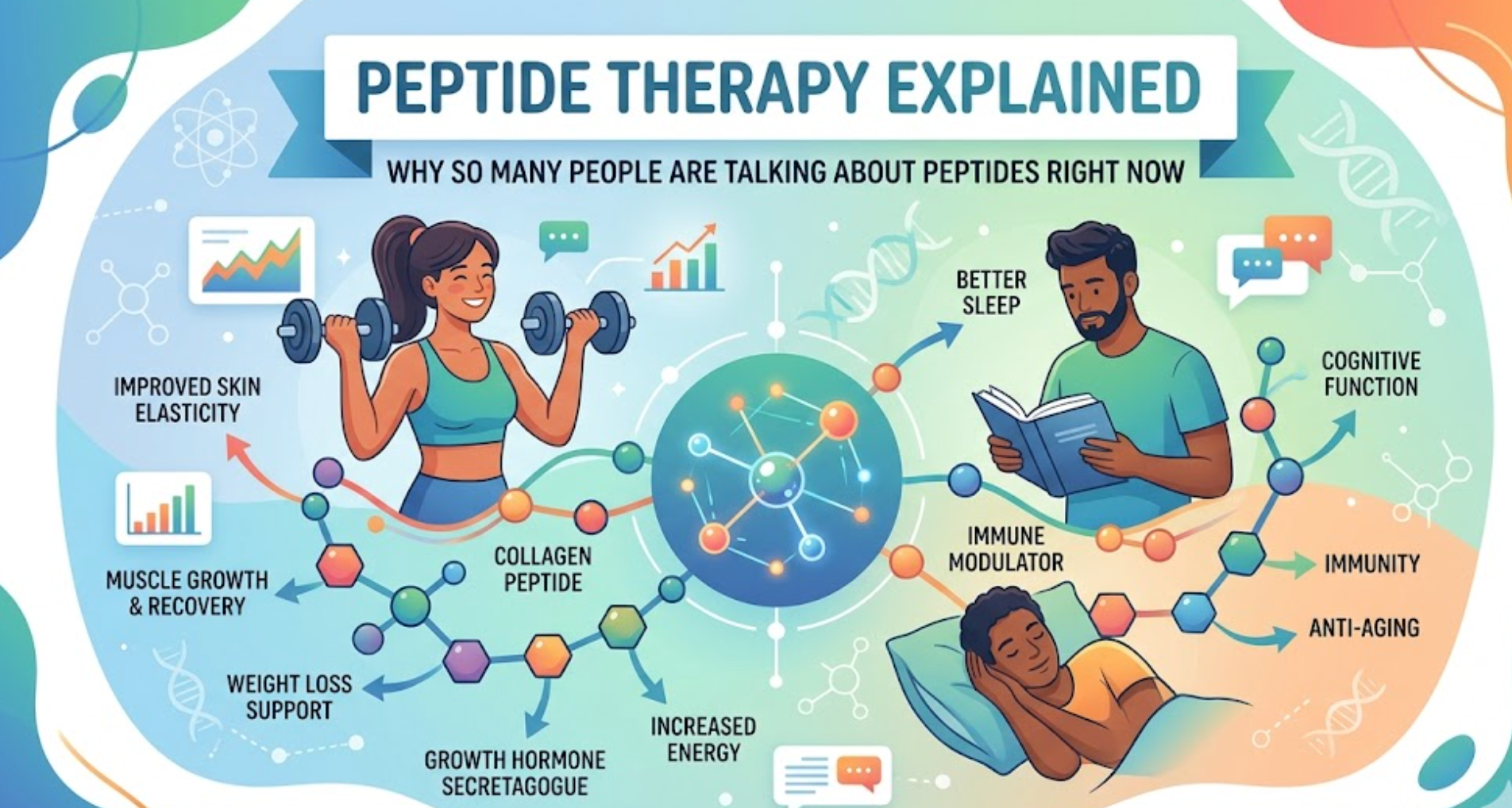
- Peptide therapy to assist recovery and tissue repair
- Medical weight-loss programs that improve metabolic health
- Hormone optimization when appropriate
These therapies are designed to complement—not replace—healthy lifestyle habits.
A Different Way to Think About Wellness
True wellness is more than the absence of disease. It is the ability to recover, adapt, maintain energy, and feel capable in your own body.
A Final Word
Inflammation is one of the body's most sophisticated defense systems. Long-term health is not about eliminating inflammation—it is about restoring balance. Thoughtful, personalized wellness care can help support that balance.
Explore Personalized Wellness at Ayafusion
Ayafusion provides personalized wellness care focused on improving energy, recovery, metabolic health, and long-term vitality.
Whether you're interested in NAD+ therapy, IV nutrient therapy, peptide therapy, hormone optimization, or medically guided weight management, our goal is to identify the factors contributing to how you're feeling—not simply mask symptoms.
Ayafusion Wellness Clinic serves patients in Downers Grove and throughout the greater Chicago area, providing evidence-informed therapies that support whole-body health and longevity.
Many individuals searching for wellness clinics near Chicago, NAD+ therapy, peptide therapy, IV vitamin therapy, or medical wellness programs in Illinois discover Ayafusion through educational resources like this.


What Does Healthy Aging Actually Mean? Building Strength, Energy, and Resilience for the Years Ahead