How to Not Regain Weight After Using GLP Blocker Medications

GLP blocker medications, such as Tirzepatide and Semaglutide, have become increasingly popular for weight management. They work by mimicking a natural hormone that helps you feel full and eat less. While these medications can be effective for weight loss, people can regain some of the weight they lost after stopping the medication.
Why Do People Regain Weight After Stopping GLP Blockers?
- There are a few reasons why people regain weight after stopping GLP blockers.The medications don't address the underlying causes of weight gain. For many people, weight gain is caused by factors such as unhealthy diet, lack of physical activity, and stress. GLP blockers simply mask these problems, and when you stop taking them, the problems come back.
- Lifestyle changes are essential for long-term weight loss. GLP blockers can help you lose weight in the short term, but they are not a magic bullet. To keep the weight off, you need to make lasting changes to your diet and exercise habits.
How to Prevent Weight Regain After Stopping GLP Blockers
If you're considering taking GLP blockers, it's important to be aware of the risk of weight regain. Here are some tips to help you prevent weight regain after stopping the medication:
- Talk to your health care provider. Your healthcare provider can help you create a plan for long-term weight management. This may include lifestyle changes, medication, or a combination of both.
- Make gradual lifestyle changes. Don't try to change everything at once. Start by making small changes, such as eating more fruits and vegetables or walking for 30 minutes a day.
- Find a support system. Having people to support you on your weight loss journey can make a big difference. Join a weight loss group or find a friend who is also trying to lose weight.
- Be patient. It takes time to lose weight and keep it off. Don't get discouraged if you don't see results immediately. Just keep at it and you will eventually reach your goals.
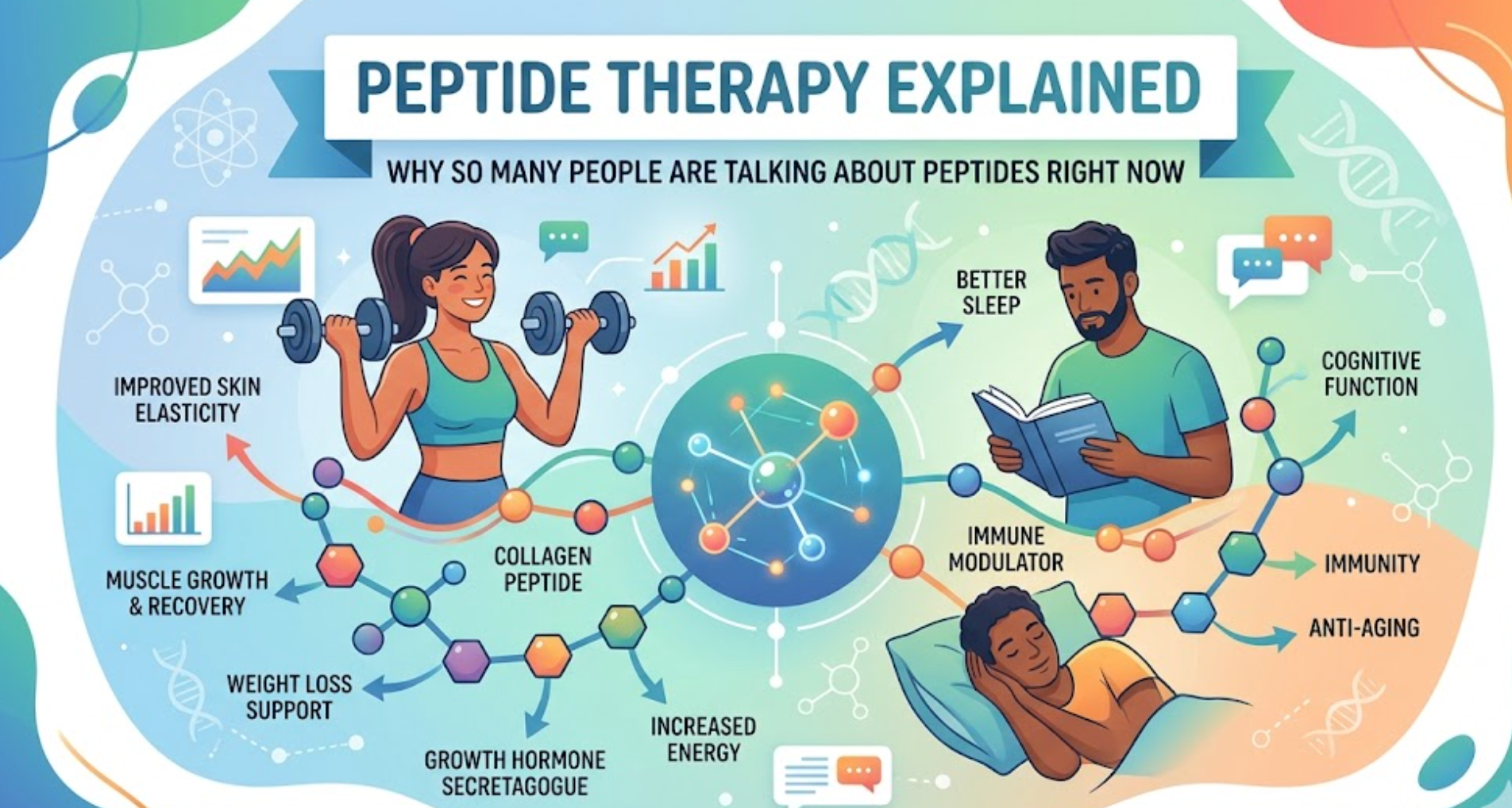
Peptides like AOD 965, MOTSc, and Sermorelin have gained attention for their potential in weight management. AOD 965, a modified fragment of the human growth hormone, is believed to aid in fat metabolism by stimulating the breakdown of fats. MOTSc, a mitochondrial-derived peptide, has shown promise in promoting metabolic health and potentially assisting in weight regulation. Sermorelin, a growth hormone-releasing hormone analogue, stimulates the production and release of growth hormone, which may contribute to increased metabolism and the reduction of body fat. These peptides represent a growing area of research for their potential role in supporting weight management strategies, but their efficacy and safety should be considered under the guidance of a healthcare professional.

What Does Healthy Aging Actually Mean? Building Strength, Energy, and Resilience for the Years Ahead