Harnessing the Power of Peptides: A Revolutionary Approach to Healing Inflammatory Bowel Disease

Introduction:
Inflammatory Bowel Disease (IBD) is a chronic condition that affects millions of people worldwide, causing inflammation in the gastrointestinal tract and leading to a range of debilitating symptoms. Traditional treatments often focus on managing symptoms rather than addressing the underlying causes. However, a promising avenue for IBD research and treatment lies in the realm of peptides – small proteins with the potential to revolutionize the way we approach this challenging condition.
Understanding Peptides:
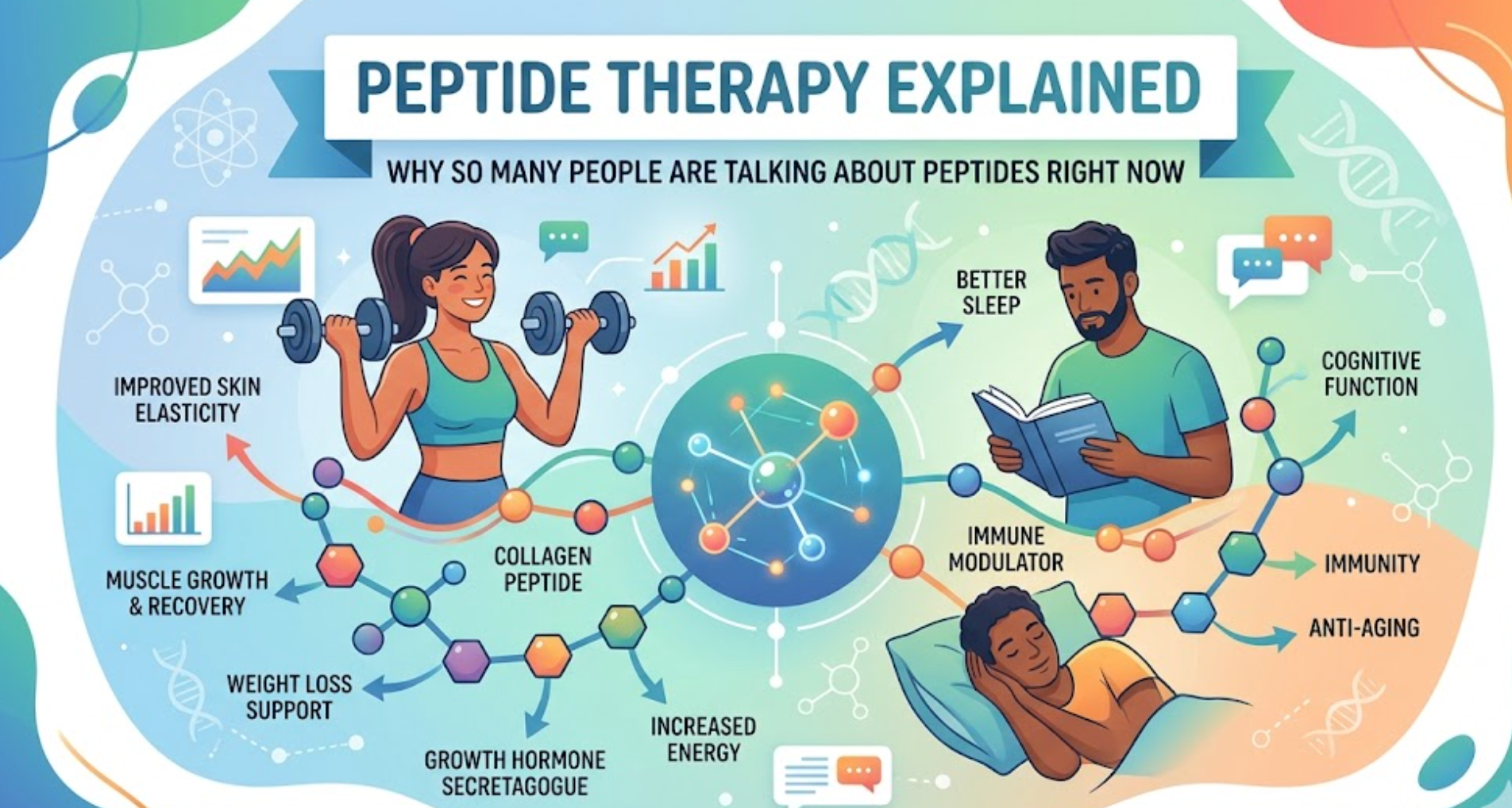
Peptides are short chains of amino acids, the building blocks of proteins. These small molecules play crucial roles in various physiological processes within the human body. In recent years, scientists have explored the therapeutic potential of peptides in managing and even reversing inflammatory conditions, including IBD.
- Anti-Inflammatory Properties: Peptides exhibit powerful anti-inflammatory properties, making them ideal candidates for IBD treatment. By modulating the immune response, peptides can help reduce inflammation in the gastrointestinal tract, providing relief from the symptoms associated with IBD.
- Tissue Repair and Regeneration: Another key benefit of peptides is their ability to promote tissue repair and regeneration. In the context of IBD, where the intestinal lining is often damaged, peptides can stimulate the healing process, contributing to the restoration of a healthy gastrointestinal environment.
- Balancing the Immune System: Peptides can help regulate the immune system, preventing it from overreacting and triggering unnecessary inflammation. This immune-modulating effect is particularly valuable in the context of IBD, where an imbalanced immune response is a central factor in disease progression.
Promising Peptides in IBD Treatment:
- Thymosin Beta-4: Thymosin Beta-4 is a naturally occurring peptide that has shown promise in promoting tissue repair and reducing inflammation. Studies have suggested its potential in treating various inflammatory conditions, including IBD.
- Melanocortin Peptides: Melanocortin peptides, such as Melanotan II, have demonstrated anti-inflammatory effects and may play a role in regulating the immune response. Research is ongoing to explore their potential in managing IBD symptoms.
- BPC-157: Body Protective Compound-157 (BPC-157) is a peptide with strong regenerative properties. Studies have indicated its potential in promoting healing in the gastrointestinal tract and reducing inflammation, making it a promising candidate for IBD therapy.
Challenges and Future Directions:
While the potential of peptides in treating IBD is exciting, there are still challenges to overcome. Peptide-based therapies may require further refinement, and large-scale clinical trials are needed to establish their safety and efficacy conclusively. Additionally, personalized treatment approaches may be necessary, as the effectiveness of peptides can vary among individuals.
Conclusion:
The exploration of peptides as a therapeutic option for Inflammatory Bowel Disease represents a groundbreaking shift in the paradigm of treatment. As research progresses, and more is learned about the intricate mechanisms behind these small but powerful molecules, the hope for more effective, targeted, and less invasive treatments for IBD continues to grow. The journey from the laboratory to clinical application is underway, offering a beacon of hope for those living with the challenges of Inflammatory Bowel Disease.

What Does Healthy Aging Actually Mean? Building Strength, Energy, and Resilience for the Years Ahead